
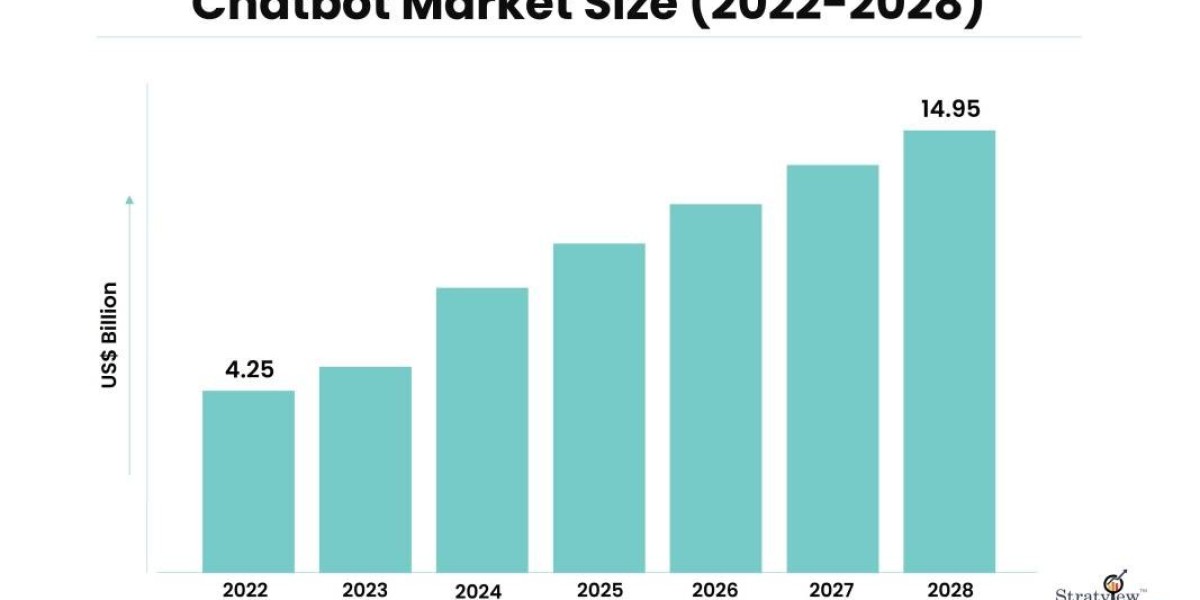
In recent years, chatbots have emerged as a transformative technology, revolutionizing the way businesses interact with their customers and streamline internal processes. These intelligent virtual assistants have found widespread adoption across various industries, showcasing their potential to enhance customer experience, improve operational efficiency, and drive business growth. Let's explore some success stories and the valuable lessons learned from chatbot implementations across different sectors. The chatbot market is estimated to grow from USD 4.25 billion in 2022 and is likely to grow at a CAGR of 23.28% during 2023-2028 to reach USD 14.95 billion by 2028.
Retail and E-commerce:
The retail and e-commerce industry has witnessed significant advancements with the integration of chatbots. These virtual assistants can provide personalized product recommendations, answer customer queries, and facilitate seamless checkout processes. One of the major success stories in this sector is Sephora's chatbot on the Kik platform. The chatbot engaged users in interactive conversations, helping them discover new beauty products and offering beauty tips. The result was a 11% increase in conversion rates and a remarkable 80% boost in engagement.
Lessons Learned: Retailers should focus on delivering personalized experiences, understanding customer preferences, and simplifying the purchase journey to drive higher conversion rates.
Healthcare:
Chatbots have also found their way into the healthcare industry, transforming patient care and medical support. A prominent example is Buoy Health's AI-powered chatbot, which assists users in diagnosing their symptoms and offers recommendations for next steps, such as seeking medical attention or self-care. The chatbot significantly reduced the burden on healthcare hotlines, leading to faster response times and improved patient outcomes.
Lessons Learned: In healthcare, data privacy and security are paramount. Implementing strict measures to protect patient information is crucial for building trust and ensuring regulatory compliance.
Banking and Finance:
Chatbots have revolutionized the banking sector by providing personalized financial advice, assisting with transactions, and addressing customer queries. Capital One's chatbot, Eno, has been at the forefront of this revolution, empowering customers to manage their accounts, track expenses, and receive real-time transaction alerts. As a result, the bank saw a surge in customer satisfaction and a substantial decrease in customer support costs.
Lessons Learned: Chatbots can enhance the overall banking experience, but they should be designed with a human touch. The balance between automation and seamless escalation to human agents is essential to maintain customer satisfaction.
Travel and Hospitality:
Chatbots have become indispensable in the travel industry, offering 24/7 customer support, instant booking assistance, and travel recommendations. Marriott International's chatbot on Facebook Messenger exemplifies this success, allowing guests to make reservations, access hotel information, and receive personalized travel tips. This implementation led to a 20% increase in direct bookings and an improved guest experience.
Lessons Learned: Integrating chatbots into existing communication channels, such as social media platforms, can expand the reach and accessibility of customer support services.
Human Resources:
Chatbots have even penetrated the human resources domain, streamlining the hiring process, and enhancing employee engagement. Mya Systems' chatbot, Mya, has been embraced by organizations for conducting initial candidate screenings and scheduling interviews. This has led to a 60% reduction in hiring time and increased recruiter productivity.
Lessons Learned: While chatbots can automate repetitive tasks, they should complement human efforts in fostering a positive candidate experience and building meaningful connections with potential hires.
In conclusion, the rapid market adoption of chatbots across various industries signifies their immense potential to drive business success and enhance customer experiences. These success stories have shed light on the critical importance of personalization, data security, human-bot balance, and seamless integration to achieve optimal results. As technology continues to evolve, chatbots will likely become even more sophisticated, empowering businesses to stay ahead of the competition and meet the evolving needs of their customers effectively.