

Introduction to Industrial Joysticks
Welcome to the exciting world of industrial joysticks! These nifty devices may not be as flashy as their gaming counterparts, but when it comes to controlling heavy machinery and navigating complex industrial processes, they are absolute game-changers. Whether you're in manufacturing, construction, or any industry that requires precise control and maneuverability, an industrial joystick can make all the difference.
In this article, we'll explore the different types of industrial joysticks available on the market today and delve into their numerous advantages. We'll also discuss the various application areas where these versatile tools shine brightest. And if you're considering investing in an industrial joystick for your business needs, we've got you covered with some essential factors to consider before making your purchase.
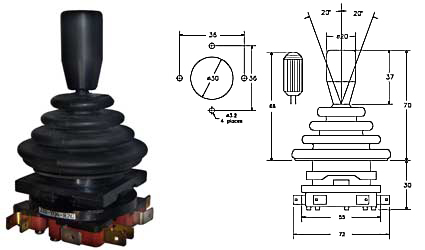
But it doesn't end there! We'll also share some valuable maintenance and care tips to ensure your joystick stays in top-notch condition throughout its lifespan. Plus, we'll take a glimpse into the future of these remarkable devices and how technological advancements are shaping their capabilities.
So buckle up (or rather grip tight) as we dive headfirst into everything you need to know about industrial joysticks – from their functionality to potential breakthroughs that lie ahead! Let's get started!
The Different Types of Industrial Joysticks
Industrial joysticks come in a variety of types, each designed to suit different applications and user preferences. One common type is the traditional analog joystick, which uses potentiometers to measure the position of the joystick handle. These joysticks provide smooth and precise control over movements.
Another type is the digital joystick, which uses switches instead of potentiometers. This allows for more precise and immediate response since there is no need for recalibration. Digital joysticks are often used in applications that require quick and accurate movements, such as gaming or robotics.
A third type is the proportional joystick, which offers variable speed control based on how far the joystick handle is moved from its neutral position. These joysticks are commonly used in industrial machinery where fine control is essential.
Some industrial joysticks also feature additional buttons or switches integrated into their design. These buttons allow users to perform specific actions without having to take their hands off the joystick, improving efficiency and productivity.
Choosing the right type of industrial joystick depends on factors such as application requirements, precision needed, ergonomic considerations, and personal preference. It's important to assess these factors before making a decision to ensure optimal performance and user satisfaction.
Advantages of Using Industrial Joysticks
Industrial joysticks offer a multitude of advantages in various industrial applications. These robust and durable devices provide precise control over machinery and equipment, allowing operators to maneuver with ease. The ergonomic design of industrial joysticks ensures comfortable usage even for extended periods.
One major advantage is the versatility offered by programmable industrial joysticks. These advanced models can be customized to meet specific requirements, enabling seamless integration into complex systems. This flexibility enhances productivity and efficiency in industrial processes.
Another key benefit is the improved safety that comes with using industrial joysticks. With intuitive controls and responsive feedback, operators have better command over their machines, reducing the risk of accidents or errors. Additionally, many modern industrial joysticks come equipped with features like dead man’s switch or emergency stop buttons for added safety measures.
Furthermore, the compact size of industrial joystick allows for easy installation even in space-constrained environments. Their compatibility with different interfaces makes them suitable for a wide range of applications across industries such as manufacturing, construction, robotics, and more.
The advantages offered by industrial joysticks make them indispensable tools in enhancing productivity while ensuring operator comfort and safety. By harnessing their precision control capabilities and customizable features, businesses can optimize their operations for greater efficiency at every level
Application Areas of Industrial Joysticks
Industrial joysticks have found wide-ranging applications in various industries due to their versatility and precise control capabilities. One of the key application areas of industrial joysticks is in heavy machinery and construction equipment. These powerful machines require accurate maneuvering, and the use of a joystick allows operators to control multiple functions seamlessly.
In the manufacturing industry, industrial joysticks play a vital role in controlling robotic arms and assembly line processes. The intuitive nature of these devices makes it easier for workers to perform complex tasks with precision, improving overall efficiency.
Another area where industrial joysticks are extensively used is in aerospace and aviation. Pilots rely on these high-quality controllers for maneuvering aircraft during takeoff, landing, and mid-flight operations. The ergonomic design ensures comfortable handling even during long flights.
Furthermore, industrial joysticks have proven invaluable in the field of medical technology. Surgeons utilize them during minimally invasive procedures like laparoscopy or endoscopy, enabling precise movements within confined spaces.
The gaming industry has also adopted industrial joystick technology for immersive virtual reality experiences that require seamless interaction between players and virtual environments.
The application areas for industrial joysticks continue to expand as advancements in technology open up new possibilities across various sectors.
Factors to Consider When Choosing an Industrial Joystick
When choosing an industrial joystick, there are several factors that need to be taken into consideration. Understanding these factors will help you make an informed decision and ensure that the joystick meets your specific requirements.
It is important to consider the type of environment in which the joystick will be used. Industrial joysticks are designed to withstand harsh conditions such as extreme temperatures, vibrations, and exposure to dust or water. Therefore, it is crucial to choose a joystick that has a high level of durability and protection.
You should evaluate the ergonomics of the joystick. A comfortable grip and intuitive control layout are essential for operators who may spend long hours using the device. Look for features like adjustable handles and customizable button layouts to maximize user comfort and efficiency.
Another factor to consider is the interface compatibility of the industrial joystick with your existing systems. Ensure that it can seamlessly integrate with your machinery or equipment without requiring additional modifications or adapters.
Additionally, take into account the number and types of axes required for your application. Some joysticks offer single-axis control while others provide multi-axis capabilities for more complex operations. Assessing your specific needs will help you select a suitable option.
Cost-effectiveness should also play a role in your decision-making process. Compare prices from different manufacturers while considering their reputation for quality and reliability.
By carefully considering these factors when choosing an industrial joystick, you can ensure optimal performance and productivity in your workplace operations without compromising on safety or functionality
Maintenance and Care Tips for Industrial Joysticks
Taking proper care of your industrial joystick is essential to ensure its longevity and optimal performance. By following a few simple maintenance tips, you can keep your joystick in top shape.
It's important to regularly clean the joystick to remove any dust or debris that may accumulate over time. Use a soft cloth or brush to gently wipe the surface of the joystick, paying attention to any crevices where dirt might get trapped.
Avoid exposing the joystick to extreme temperatures or humidity as this can cause damage. Store it in a dry and moderate environment when not in use.
Additionally, be mindful of how you handle the joystick during operation. Avoid excessive force or rough handling that could potentially lead to mechanical issues.
Furthermore, if you notice any signs of wear and tear such as loose buttons or unresponsiveness, it's crucial to address these problems promptly. Consult the manufacturer's guidelines for troubleshooting steps or contact their customer support for assistance.
The Future of Industrial Joysticks: Technological Advancements
As technology continues to advance at a rapid pace, so do the possibilities for industrial joysticks. These essential control devices are not immune to innovation and are constantly evolving to meet the demands of modern industries.
One significant advancement in industrial joysticks is the integration of wireless technology. Gone are the days when cables limited movement and flexibility. Wireless industrial joysticks offer enhanced freedom of use, allowing operators to navigate machinery from a distance without restrictions.
Another exciting development is the incorporation of haptic feedback into industrial joystick designs. Haptic feedback provides tactile sensations that mimic real-world interactions, offering operators a more intuitive and immersive experience while operating complex machinery.
Furthermore, advancements in sensor technology have improved precision and accuracy in industrial joysticks. With sensors capable of detecting even slight movements or changes in pressure, operators can enjoy finer control over their equipment with reduced chances of errors or accidents.
Additionally, we can expect increased connectivity options for industrial joysticks as IoT (Internet of Things) becomes more prevalent across industries. This means that these devices will be able to communicate with other equipment and systems seamlessly, facilitating better data exchange and improving overall operational efficiency.
Conclusion
Industrial joysticks have become an indispensable tool in various industries, offering precise control and ease of operation. Whether it's operating heavy machinery or navigating complex systems, these versatile devices provide seamless maneuverability and enhanced productivity.
The different types of industrial joysticks available cater to a wide range of applications. From traditional single-axis joysticks to multi-axis proportional ones, there is a joystick suitable for every need. The advantages they offer, such as ergonomic design, durability, and customizable options, make them a preferred choice for many professionals.
In terms of application areas, industrial joysticks find their utility across numerous sectors. They are commonly used in construction equipment, robotics systems, material handling machines, medical devices, aviation control panels, and many more. Their versatility allows operators to perform intricate tasks with precision and efficiency.
When choosing an industrial joystick for your specific needs, several factors should be considered. These include the required number of axes and switches needed for your application; the type of grip that provides comfort during prolonged use; the level of customization available; compatibility with existing systems; and overall durability.